




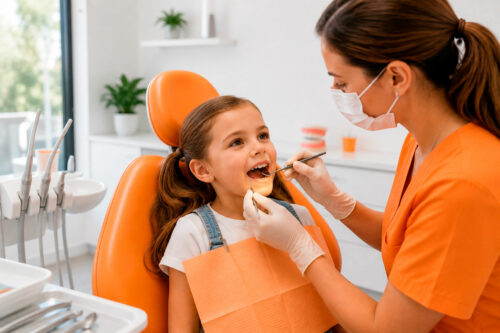
September means getting back into a routine, packing school bags, organising after-school activities and re-establishing the routines that tend to become a bit more relaxed over the summer. It can also be a good time to pay attention to something that sometimes gets left off the list of Back to school: children’s oral health.
After the holidays, a children’s dental check-up It enables us to check that teeth and gums are healthy, detect any early signs of tooth decay and assess how the teeth and bite are developing.
At Dentsana Clinic, in Costa Teguise, we believe that September is a good time to get back into good hygiene habits and start the new school year by looking after your smile as well.
Why is September a good time for a child’s dental check-up?
During the holidays, many family routines change. Timetables are different, meals are eaten out more often, and it is common to eat more ice cream, fizzy drinks, fruit juices and small snacks.
You may also find that children brush their teeth less regularly, particularly when they spend more time away from home.
Going back to school means getting back into a routine and sticking to a timetable, so it’s a particularly good time to check oral health and reinforce good dental hygiene habits.
Furthermore, having the check-up at the start of the school year makes it possible to identify any potential problems before any discomfort arises that might interfere with the child’s day-to-day life.
What is checked during a child’s dental check-up?
A check-up is not just about checking for tooth decay. During childhood and adolescence, the mouth undergoes significant changes that need to be monitored.
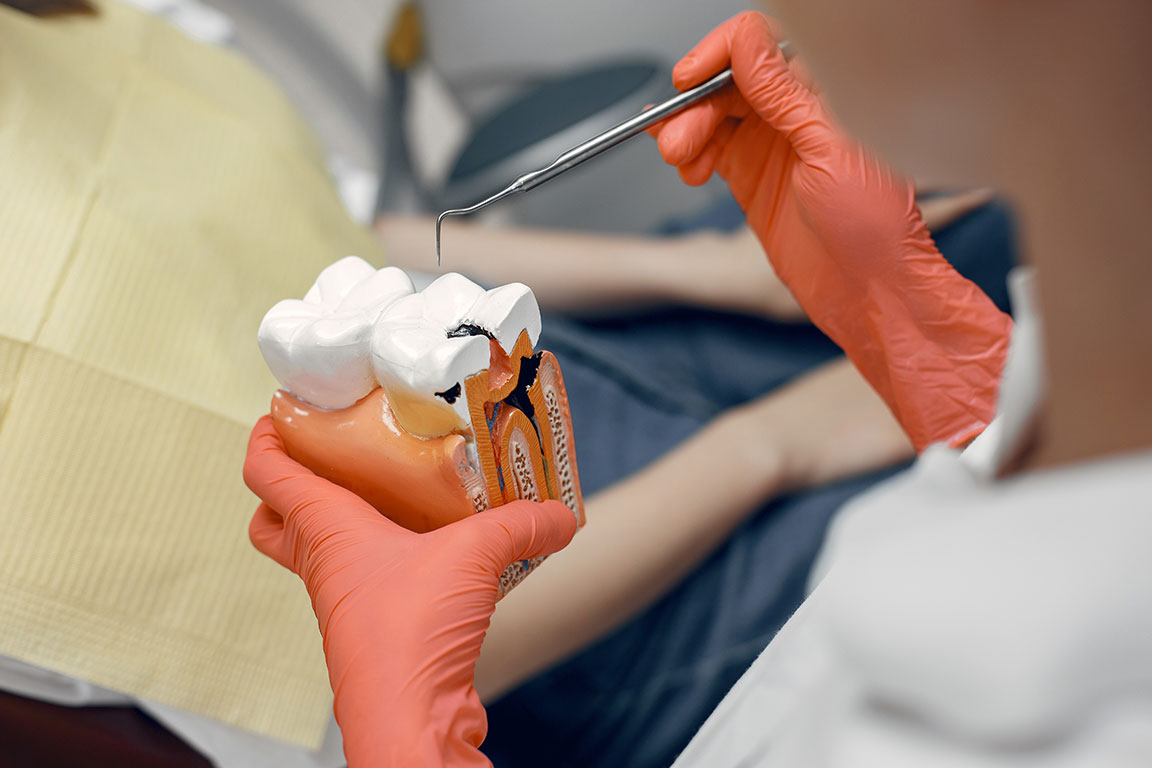
The emergence of potential tooth decay
Tooth decay can start without causing any pain, so a professional check-up allows it to be detected before it progresses.
In children, it is particularly important to pay attention to the molars and certain areas where bacterial plaque is more likely to build up.
Development of the permanent teeth
As milk teeth are replaced by permanent teeth, it is a good idea to check that they are coming through properly.
The dentist can check whether there is enough space, whether any teeth are having difficulty coming through, or whether there are any issues that require monitoring.
Bite development
Childhood is a crucial stage for observing how the upper and lower teeth are aligning.
Identifying certain bite abnormalities during growth makes it possible to assess whether they simply require monitoring or whether an orthodontic assessment is advisable.
Condition of the gums
Although we tend to associate gum problems with adults, children can also suffer from inflammation or bleeding, particularly when they do not brush their teeth properly.
Oral hygiene
The appointment is also an opportunity to check how brushing is being carried out and to correct minor mistakes before they become habits.
When should a child start visiting the dentist?
Dental check-ups should not only begin when the permanent teeth come through or when a child is in pain.
Prevention from an early age enables the dentist to to monitor the development of the mouth as the child grows and that the child gets used to visiting the dentist.
What’s more, visiting the dentist when you’re not in pain helps to foster a much more positive attitude towards dental check-ups.
Back to school and tooth decay: getting back into good habits
With the start of the new school year, a much more structured routine returns, and we can make the most of it to get back into good habits.
Brush your teeth before leaving home
Brushing your teeth after breakfast should be part of your daily morning routine, just like getting dressed or packing your rucksack.
Don’t forget to brush your teeth before going to bed
Brushing your teeth at night is particularly important. Young children should be supervised by an adult until they are skilled enough to brush their teeth properly on their own.
Water as a daily drink
Water should be the main drink to accompany meals and to stay hydrated throughout the school day.
Be careful not to snack too often
It is not just a question of how much sugar is consumed. The frequency with which the teeth are exposed to certain foods and drinks also plays a part in the development of tooth decay.
Setting fixed mealtimes helps to prevent constant snacking throughout the day.
What can we put in our rucksack for a healthier snack?
The start of the new school term is also a good opportunity to check what the children are taking for their lunch at break time.
It is not necessary to cut out certain foods entirely, but it is advisable to avoid making very sugary products part of your daily routine.
Some alternatives might be:
- Fresh fruit.
- Nuts, provided the child is old enough and has no allergies.
- Simple snacks.
- Dairy products with no excess added sugars.
- Water as a regular drink.
The aim should not be to impose bans, but to ensure that healthy habits are the most common.
How can I tell if my child might need orthodontic treatment?
It is not always easy to spot a bite problem simply by looking at someone’s smile.
Some situations that may warrant an assessment are:
- Very crowded teeth.
- Apparent lack of space for the permanent teeth.
- Upper or lower teeth that protrude excessively.
- Difficulty chewing certain foods.
- Crossbite.
- Losing milk teeth too early or too late.
- Permanent teeth that are slow to come through.
This does not necessarily mean that the child needs orthodontic treatment. The check-up helps to determine whether a full assessment is required or whether it is simply a matter of monitoring their progress as they grow.
Extracurricular sports: we must also protect our teeth
September also marks the return of football, basketball, martial arts and many other sporting activities.
In sports where there is a risk of blows or physical contact, it may be advisable to consider using a sports mouthguard, particularly when the activity carries a high risk of dental injury.
An impact can cause anything from a minor fracture to a displaced or lost tooth, which is why prevention should also form part of sporting activity.
How often should children have dental check-ups?
The frequency depends on each child’s individual characteristics.
The risk of tooth decay, oral hygiene, tooth development, the need for orthodontic treatment or certain medical history may make more frequent check-ups necessary.
For this reason, rather than setting the same frequency for all children, it is advisable for the dentist to determine How often should servicing be carried out?.
Start the new term by looking after your smile too
Getting ready for the new school term involves much more than just buying school supplies. September is a chance to get back into a routine with regular mealtimes, sleep and good hygiene habits.
Include a children’s dental check-up Carrying out these routines makes it possible to check that everything is progressing as it should and to spot minor issues before they become more serious.
At Dentsana Clinic, in Costa Teguise, we support children and families in Lanzarote with their oral health, placing particular emphasis on prevention and regular check-ups from an early age.
Good dental health is also part of getting the new school year off to a good start.
Frequently asked questions about children’s dental check-ups
Should you take your child to the dentist even if they’re not in any pain?
Yes. It is precisely these preventive check-ups that enable problems to be detected before any pain sets in. Some cavities and bite problems may initially develop without any symptoms.
Do milk teeth need treatment too?
Yes. Although they will eventually be replaced by permanent teeth, they fulfil important functions during growth and must be kept healthy whilst they remain in the mouth.
Is September a good time to consider orthodontic treatment?
This may well be the case, particularly if any problems relating to the position of the teeth or the bite are identified during the check-up. The dentist will determine whether a specific assessment is required.
What should I do if my child is afraid of the dentist?
Preventative visits – when there is no pain or urgent need – can help the child gradually become familiar with the clinic environment and make the experience feel more natural.