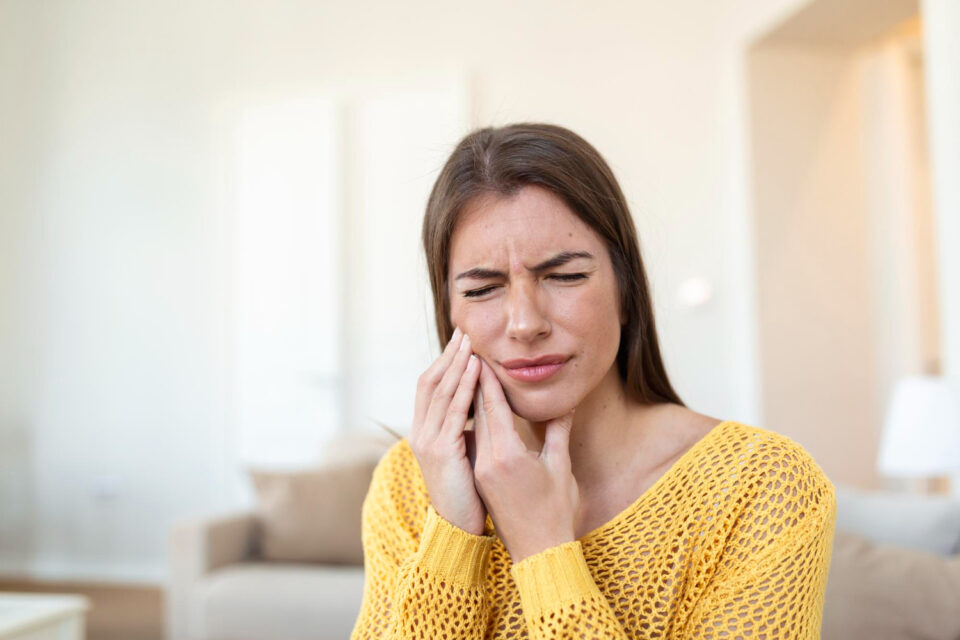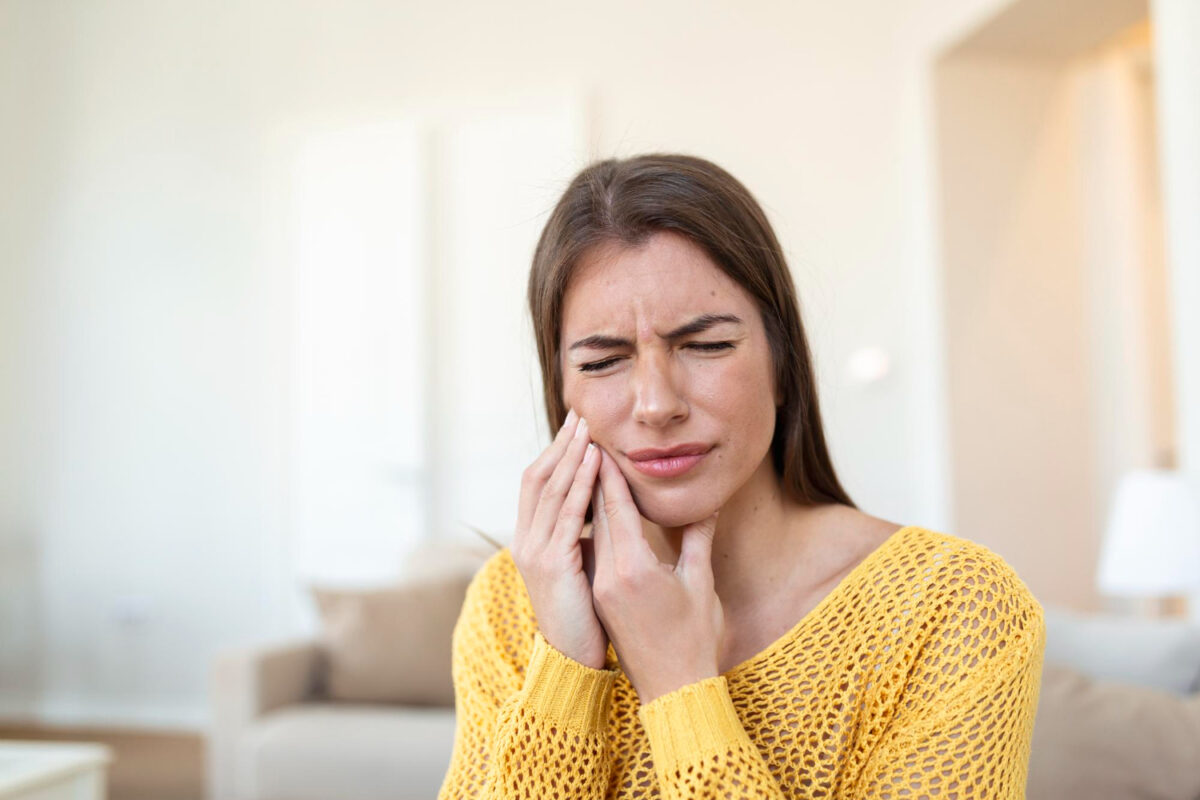



The bruxism is a problem that is more common than it seems and, in many cases, goes unnoticed for years. Clenching or grinding of the teeth, especially unconsciously, can lead to tooth wear, muscle pain and other oral problems if not treated in time.
In this article we explain what is bruxism, why it occurshow it can affect your oral health and what options are available from a dental point of view.
What is bruxism
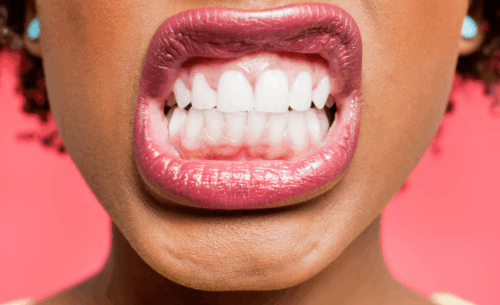
Bruxism is the involuntary habit of clenching or grinding teethusually without being aware of it. It can occur both during the day and at night.
From a dental point of view, bruxism is a excessive stress on teeth, muscles and jointsThis can have multiple long-term consequences.
Types of bruxism
Nocturnal bruxism
It occurs while we sleep and is usually related to stress, anxiety or sleep disturbances. As it is unconscious, it is the most difficult to detect.
Daytime bruxism
It appears during the day, usually associated with situations of tension, concentration or nervousness. In this case, the patient can learn to identify and control the habit.
Why bruxism occurs
Bruxism has no single cause. It is usually the result of a combination of several factors:
Stress and anxiety
This is one of the most frequent factors. The nervous system directly influences the muscular activity of the jaw.
Bite disorders
Malocclusion may encourage dental clenching as a compensatory mechanism.
Sleep disorders
Nocturnal bruxism is related to micro-awakenings and sleep disturbances.
Neuromuscular factors
Some people have increased muscle hyperactivity in the jaw area.
Habits and lifestyle
The consumption of caffeine, alcohol or tobacco can increase muscle activity and aggravate bruxism.
How bruxism affects oral health
If left untreated, bruxism can have serious consequences:
Dental wear
Constant rubbing causes progressive wear of the enamel, making the teeth shorter, flatter and more sensitive.
Dental fractures and fissures
Excessive force can cause microfractures, broken fillings or even tooth fractures.
Dental sensitivity
Loss of enamel leaves the dentine exposed, increasing sensitivity to cold, heat or sweet foods.
Muscle and jaw pain
Pain in the jaw, neck, head or even ears is common.
Temporomandibular joint problems
Bruxism can trigger or aggravate TMJ disorders, leading to clicking, locking or limited opening.
How to tell if you have bruxism
Many people are unaware that they suffer from it. Some common signs are:
-
Jaw pain or stiffness on awakening
-
Visible wear of teeth
-
Tooth sensitivity without apparent cause
-
Frequent headaches
-
Clicking or discomfort when opening and closing the mouth
-
Partner's comments on teeth grinding while sleeping
In the event of these symptoms, a dental assessment is recommended.
Diagnosis of bruxism from dentistry
The diagnosis is made by:
-
Clinical examination of tooth wear
-
Muscle and joint assessment
-
Bite analysis
-
Review of patient history
In some cases, a multidisciplinary approach may be necessary if there are sleep problems or severe stress.
Treatment of bruxism: a dental approach
The aim of treatment is not always to eliminate bruxism, but rather to protect tooth structure and reduce its effects.
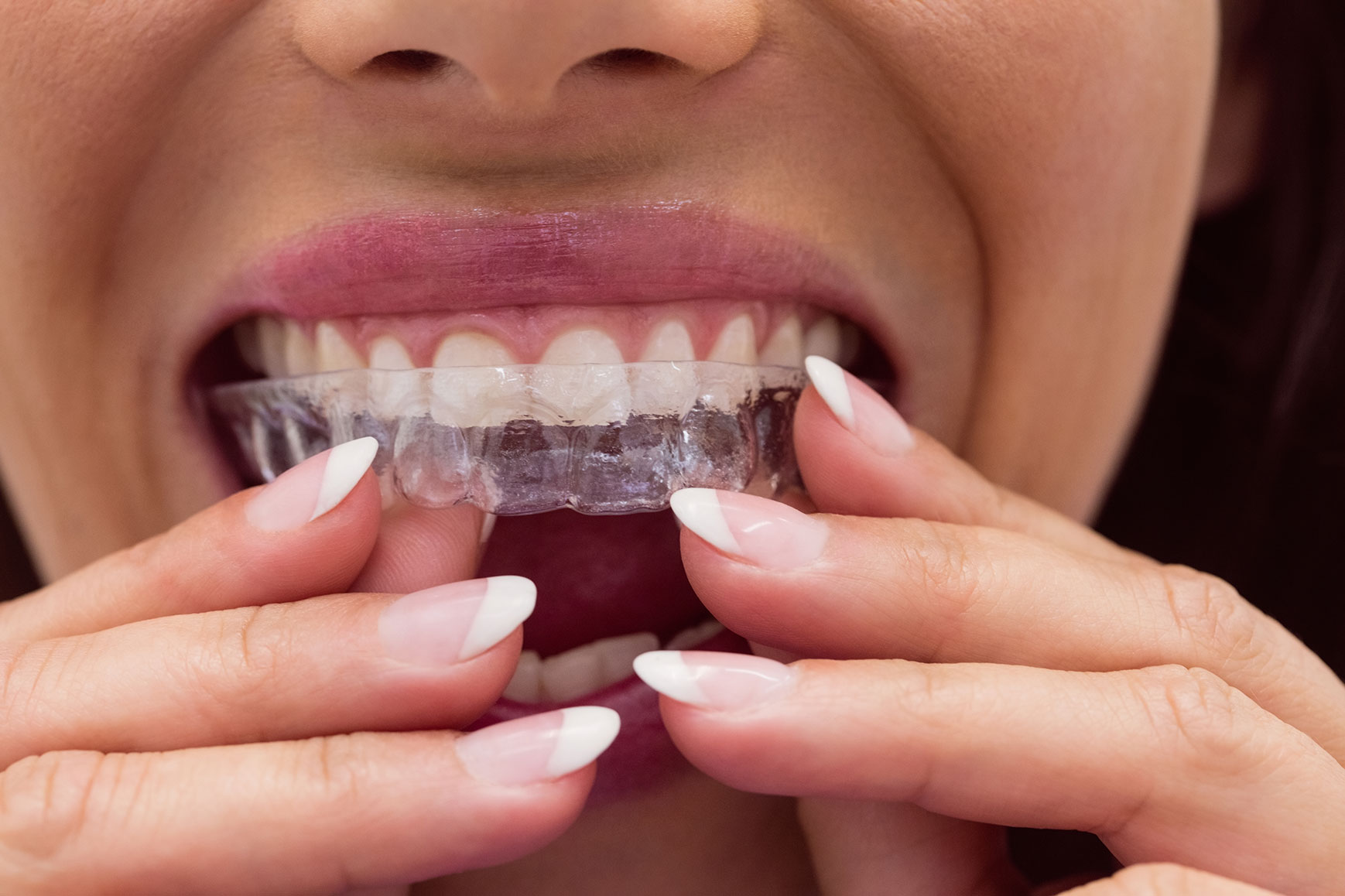
Unloading splint
This is the most common treatment. It is a customised splint that is normally used at night to protect the teeth and relax the musculature.
Occlusal adjustment
In certain cases, it may be necessary to improve the bite to reduce interference.
Dental rehabilitation
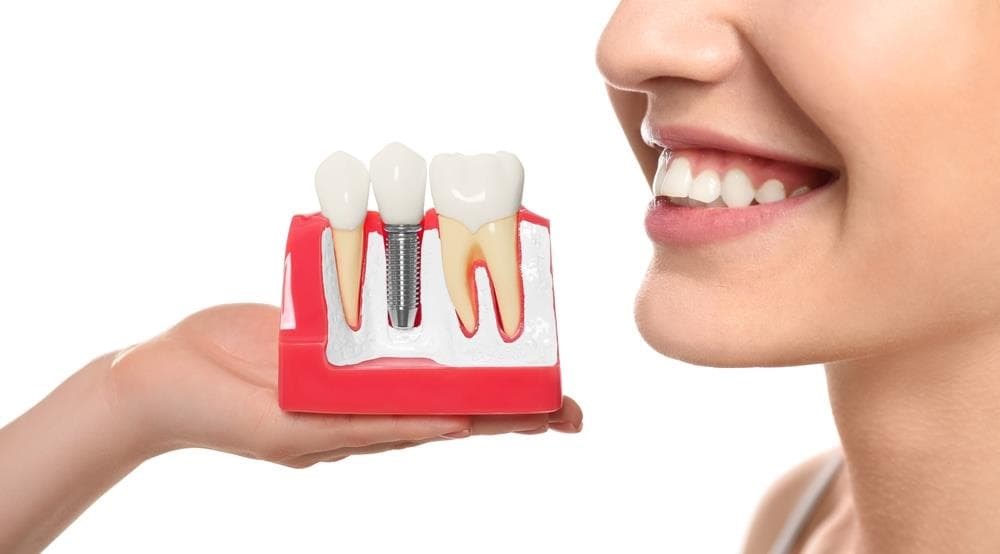
When wear is severe, it may be necessary to restore teeth to restore function and aesthetics.
Habit monitoring
In daytime bruxism, learning to identify and correct clenching is a key part of treatment.
The importance of early treatment of bruxism
The earlier it is detected, the easier it is to prevent further damage. Ignoring bruxism can lead to more complex treatments in the future.
A well-indicated splint and proper follow-up can make a big difference to oral health and general wellbeing.
Bruxism is a common problem that can seriously affect oral health if left unchecked. From a dental point of view, early assessment can protect teeth, alleviate discomfort and prevent long-term complications.
At Dentsana Clinic, we carry out a personalised study to detect bruxism and recommend the most appropriate treatment in each case.