




Invisible orthodontics has become one of the most popular options for discreetly aligning teeth. However, not all cases benefit equally from clear aligners. In this article we explain when it is the best option, in which situations it may not be recommended, what results you can expect and what factors influence the success of the treatment.
What is invisible orthodontics and how does it work?
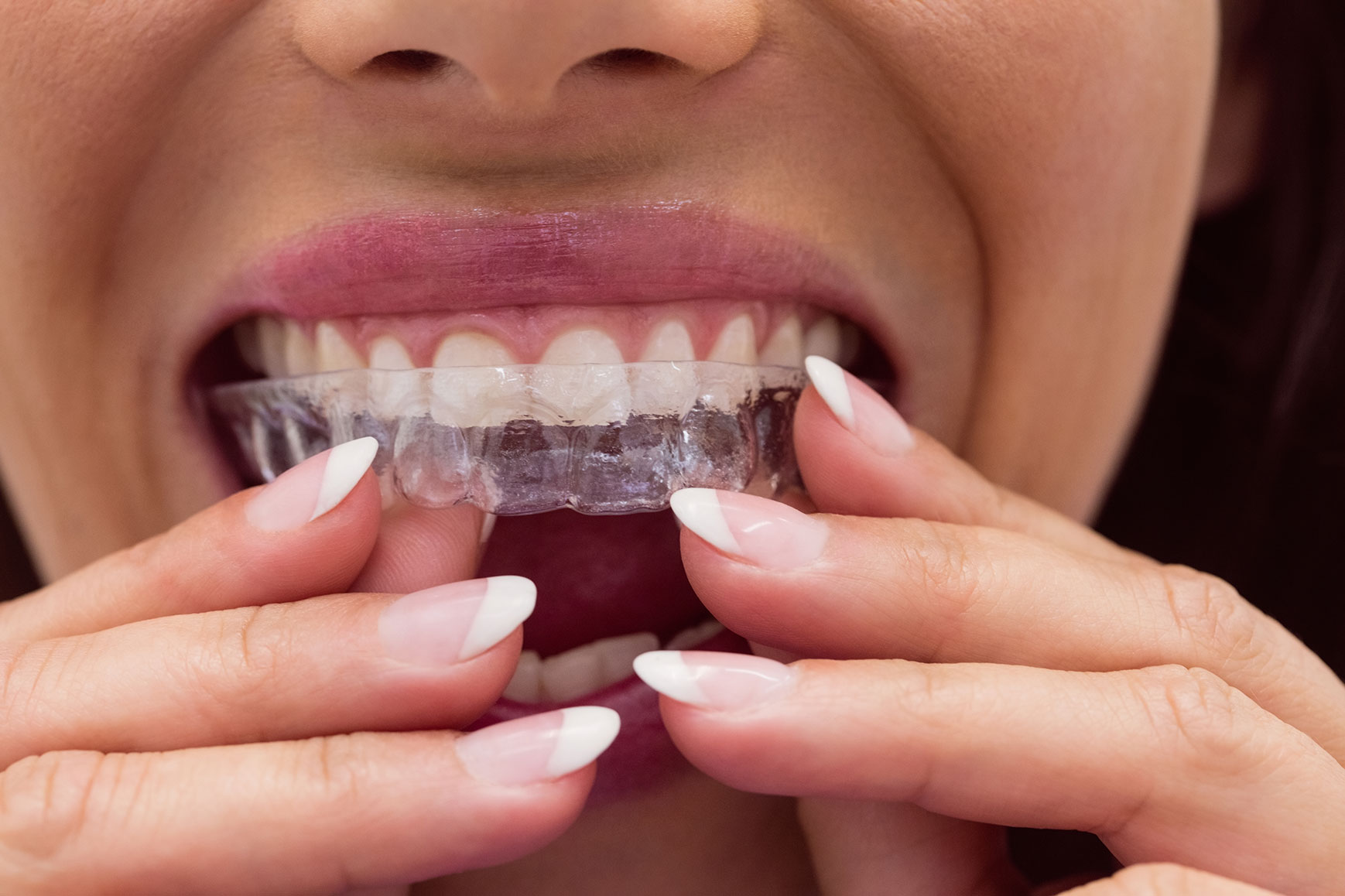
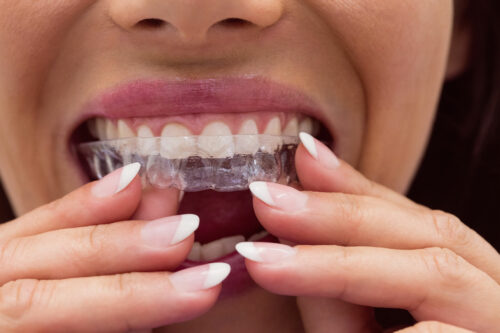
Invisible orthodontics is based on the use of transparent, removable and customised aligners that progressively move the teeth. Each set of aligners is used for a specific period of time (normally between one and two weeks) and is replaced by the next one, following a previous digital planning.
Unlike traditional braces, aligners can be removed for eating and brushing, which facilitates oral hygiene and improves everyday comfort.
Real advantages of invisible orthodontics
Beyond the aesthetic factor, these are the advantages that patients value most:
Discretion and aesthetics
As they are transparent, the aligners go almost unnoticed in conversations, meetings or photographs.
Everyday comfort
There are no wires or chafing as with some traditional systems, although it is normal to feel a slight pressure at the beginning.
Simpler hygiene
By being able to remove them for brushing and flossing, the risk of plaque build-up is reduced if a good hygiene routine is maintained.
Digital planning of the result
In many cases it is possible to simulate tooth movement and the final result before treatment begins, which gives the patient confidence and reassurance.
When invisible orthodontics is the best option
Invisible orthodontics can be an excellent alternative when seeking effectiveness and discretion, especially in the following cases:
- Mild to moderate crowding: When teeth are slightly crowded or there is a lack of space, aligners often provide very satisfactory results.
- Spacing between teeth: Diastemas or gaps can be predictably corrected as long as there is no underlying bone or periodontal problem.
- Slightly altered bite: In mild malocclusions, such as slight crossbite, small overbite or moderate open bite, invisible orthodontics can work very well after a previous study.
- Relapses after previous treatment: It is common for teeth to shift over time if retention has not been used correctly. In these cases, aligners are usually a comfortable and effective solution.
- Patients who prioritise aesthetics and social or professional life: This option is in great demand by adult patients who seek discretion, especially in work environments involving public attention.
When invisible orthodontics is not recommended
Although invisible orthodontics has evolved considerably, it is not the best alternative in all scenarios. A professional diagnosis is essential, as in certain cases another type of treatment may be more effective.
When there is a significant discrepancy between the maxilla and mandible, or major bite alterations, fixed orthodontics, combined techniques or a multidisciplinary approach may be necessary.
Some rotations, especially in teeth with certain anatomical shapes, may be more difficult to control with aligners alone.
If the treatment plan requires extensive extractions and displacement, it may be advisable to consider a fixed system or a mixed strategy to ensure greater control.
Invisible orthodontics requires consistency. To be effective, aligners must be worn 20-22 hours a day. Insufficient use can lengthen treatment or reduce its effectiveness.
Untreated gum problems
If active periodontal disease is present, it is imperative to stabilise the gums first. Moving teeth in these conditions can worsen the long-term prognosis.
Severe uncontrolled bruxism: Bruxism does not always prevent treatment, but in severe cases it can lead to increased wear of the aligners and require specific adjustments.
Signs that you might be a good candidate for invisible braces
Without replacing a clinical assessment, these signs usually indicate a good prognosis with aligners:
- Mild to moderate crowding or spacing of teeth
- Search for discreet treatment
- Good oral hygiene
- Ability to be consistent with daily use
- Absence of active periodontal problems
How long does invisible orthodontic treatment last?
The duration varies according to the complexity of the case. As a guideline:
- Mild cases: 4 to 8 months
- Moderate cases: 8 to 14 months
- Complex cases: more than 14 months, or an alternative is being considered.
The exact time is determined after clinical examination and depends on the type of tooth movement, the patient's biology and compliance with treatment.
Why professional assessment makes a difference
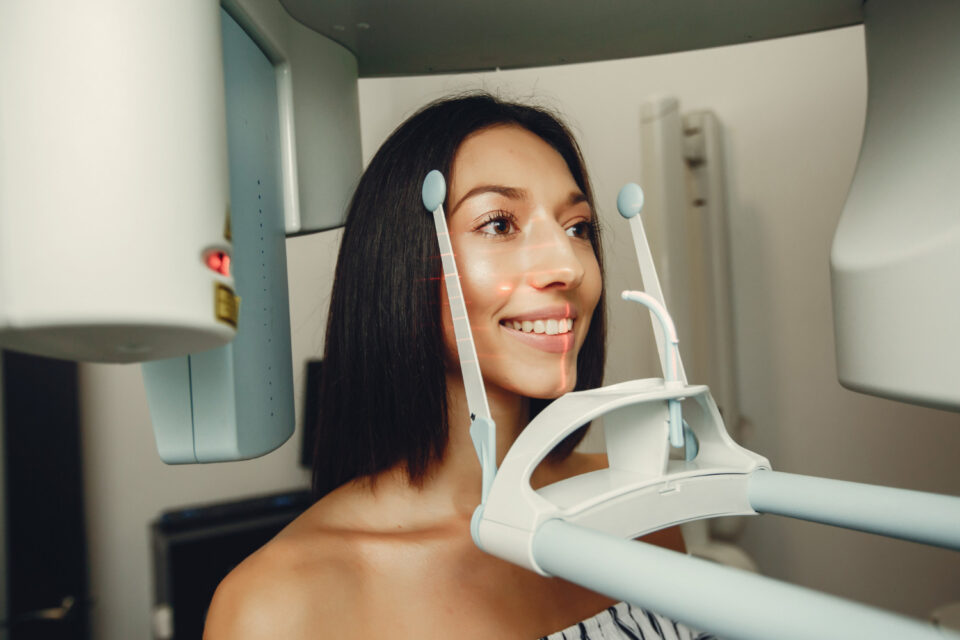
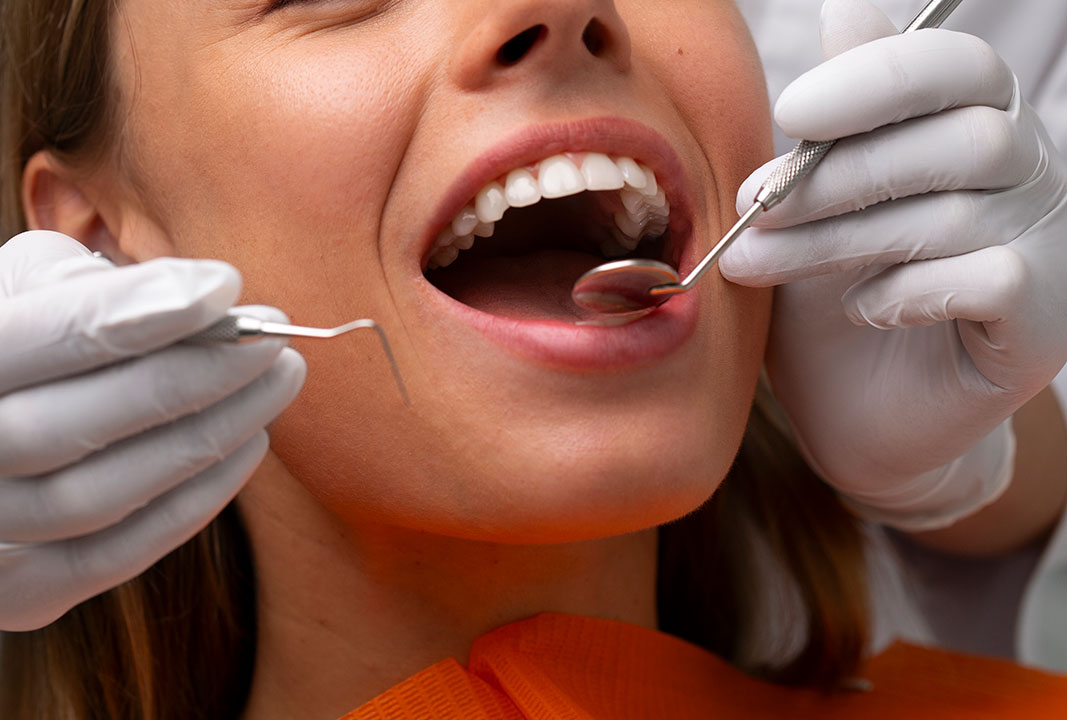
Two patients may have a similar alignment at first glance and require completely different treatment plans. In a first visit, aspects such as the following are analysed:
- Bite and masticatory function
- Gum and bone condition
- Tooth wear and bruxism
- Temporomandibular joint
- Aesthetic goals and smile proportions
It is this analysis that determines whether invisible orthodontics is the best option or whether another alternative should be considered.
Invisible orthodontics is an effective and aesthetic solution for many patients, but it is not universal. The key is a personalised diagnosis, proper planning and patient commitment.
At Dentsana Clinic, we carry out a complete study to determine if invisible orthodontics is the best option in your case and help you achieve a healthy and lasting result.