





The tooth sensitivity It is a very common problem that can cause discomfort when eating or drinking cold, hot, sweet or acidic foods and drinks. Many people experience this brief, sharp pain in one or more teeth without knowing exactly why it happens.
Although in many cases it is not a serious problem, tooth sensitivity can be a sign that something is affecting the enamel or the gums. Understanding its causes and knowing how to deal with it is essential for protecting your oral health.
What is tooth sensitivity?
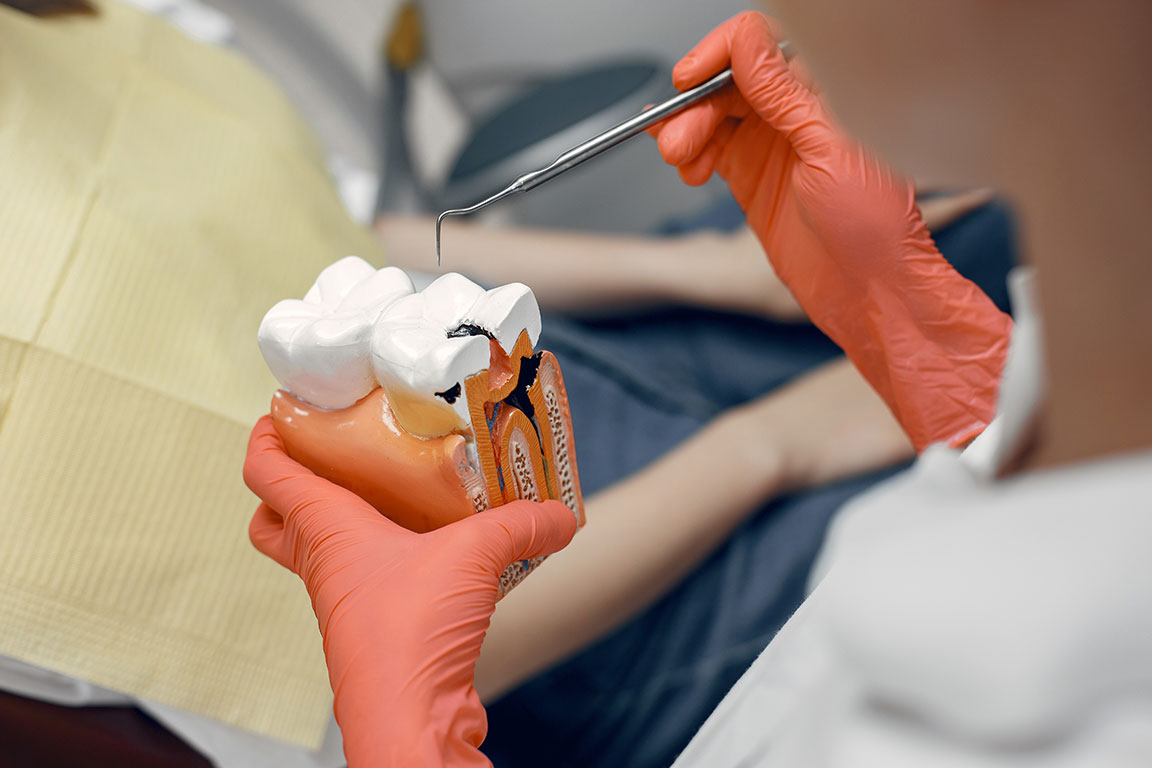
Tooth sensitivity occurs when the dentine, the inner layer of the tooth, is exposed. This area contains small ducts that connect to the dental nerve, which is why external stimuli can cause pain or discomfort.
Normally, dentine is protected by enamel and the gums. When this protection is reduced, the teeth become more sensitive.
The most common symptoms of tooth sensitivity
People with sensitive teeth often experience discomfort in situations such as:
-
Drinking cold water or hot drinks
-
Eating sweet or acidic foods
-
Brushing your teeth
-
Breathing in cold air
The pain is usually brief and localised, although it may recur frequently if the underlying cause is not treated.
The most common causes of tooth sensitivity
Tooth sensitivity can have various causes. Here are some of the most common ones.
Tooth enamel wear
Enamel protects the teeth from external factors. When it wears away over time, due to bruxism or aggressive brushing, the dentine may become exposed.
Gum recession
When the gums recede, they expose the root of the tooth, which is more sensitive than the crown.
Brushing too hard
Applying too much pressure when brushing or using hard-bristled toothbrushes can damage the enamel and gums.
Frequent consumption of acidic foods
Drinks such as soft drinks, energy drinks and citrus juices can weaken tooth enamel if consumed frequently.
Bruxism
The habit of clenching or grinding your teeth causes tooth wear and can lead to sensitivity.
Recent dental treatments
Following certain dental treatments, such as deep cleanings or teeth whitening, you may experience temporary sensitivity, which usually subsides within a few days.
How to relieve tooth sensitivity
There are various measures that can help reduce discomfort and protect your teeth.
Using toothpastes for sensitive teeth
These toothpastes help to block the dentine tubules and reduce the transmission of stimuli to the nerve.
Brush gently
Using a soft-bristled toothbrush and employing the correct brushing technique helps to protect your enamel and gums.
Reduce your intake of acidic foods
Limiting your intake of fizzy drinks, energy drinks and highly acidic foods can help preserve your tooth enamel.
Avoid sudden changes in temperature
Alternating between very cold and very hot foods can increase sensitivity.
Have regular dental check-ups
A professional can identify the exact cause of the sensitivity and recommend the most appropriate treatment.
When to see the dentist
Although tooth sensitivity may be mild, it is advisable to consult a dentist when:
-
The pain occurs frequently
-
Sensitivity increases over time
-
It affects several teeth
-
It interferes with eating or personal hygiene
In some cases, sensitivity may be linked to tooth decay, tooth wear or gum problems that require treatment.
Professional treatments for tooth sensitivity
If the discomfort persists, your dentist may recommend various solutions, such as:
-
Application of desensitising varnishes or gels
-
Treatments to protect tooth enamel
-
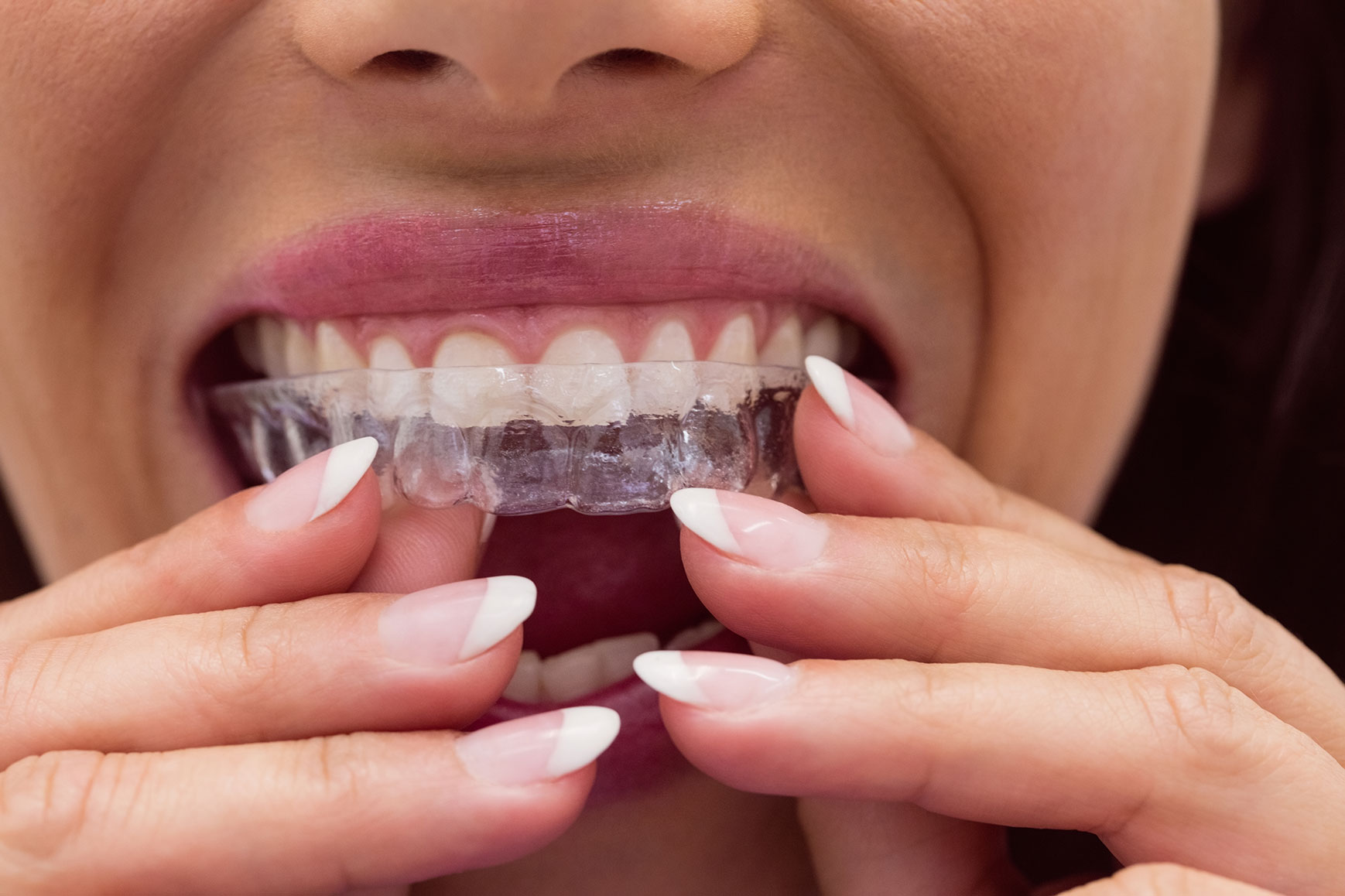
Treatment of bruxism using bite splints
-
Periodontal treatments for gum recession
Treatment will always depend on the cause of the sensitivity.
The importance of looking after your tooth enamel
Enamel is the teeth’s main defence against external factors. Maintaining good oral hygiene habits, a balanced diet and regular check-ups helps to keep it in good condition.
At Dentsana Clinic, we assess each case on an individual basis to identify the cause of tooth sensitivity and recommend the most appropriate solutions to protect oral health.