




The tooth wear It is a gradual process that affects many people and which sometimes goes unnoticed for years. Over time, tooth enamel can gradually lose its thickness and shape, leading to changes in the appearance of one’s smile and potentially causing sensitivity or discomfort when chewing.
To understand Why do teeth wear down? and knowing how to prevent this problem is essential for maintaining good oral health in the long term.
What is tooth wear?
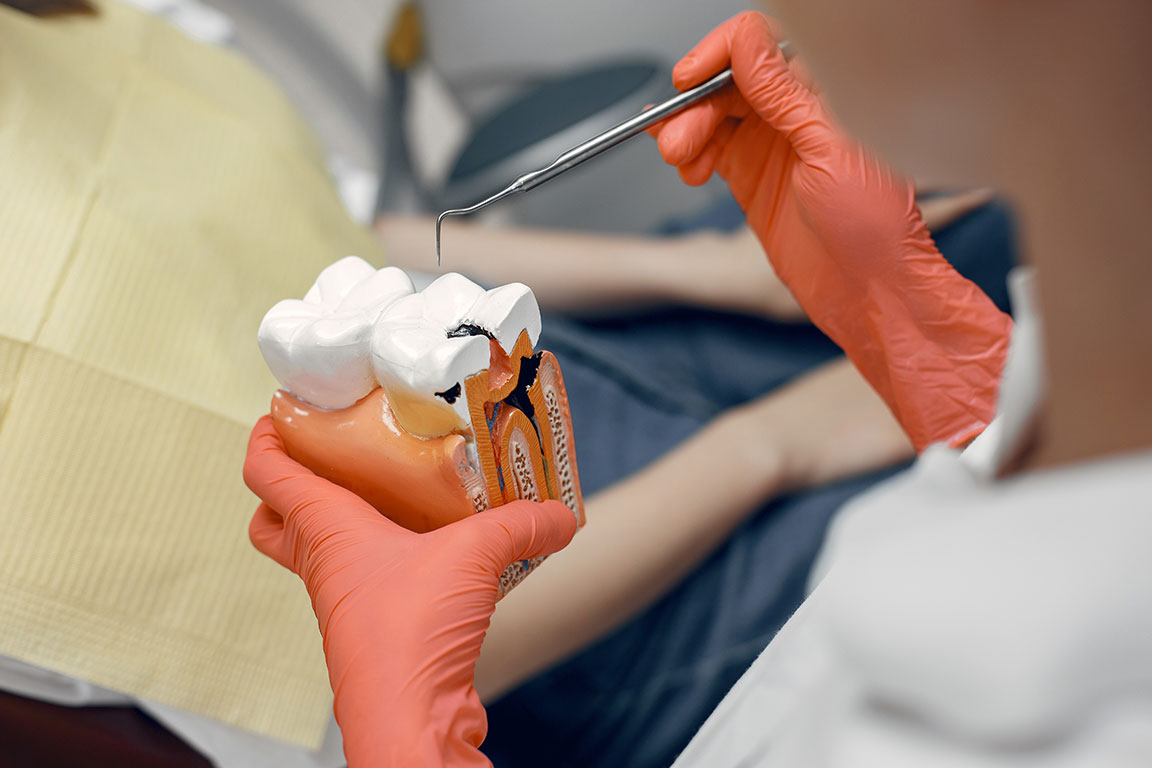
Tooth wear consists of the gradual loss of enamel, the outer layer that protects the teeth. Although some wear and tear is normal over the years, when it occurs at an accelerated rate it can affect dental function and appearance.
Enamel is the hardest tissue in the human body, but once it is lost it does not regenerate naturally, which is why prevention and early detection are key.
Main causes of tooth wear
Tooth wear can have various causes. In many cases, it is caused by a combination of several factors.
Bruxism or teeth clenching
The bruxism It is one of the most common causes. Clenching or grinding your teeth, particularly at night, creates constant pressure which gradually wears away the enamel over time.
Acid-induced tooth erosion
Frequent consumption of acidic drinks such as fizzy drinks, citrus juices or energy drinks can weaken tooth enamel. Tooth erosion can also occur in people with acid reflux.
Aggressive tooth brushing
Brushing too hard or using toothbrushes with very stiff bristles can cause wear to the surface of the teeth, particularly near the gums.
Wear caused by contact between teeth
Over the years, the constant contact between the teeth whilst chewing can lead to natural wear and tear, which, in some cases, is accelerated.
Signs of tooth wear
There are some signs that may indicate that your teeth are suffering from wear and tear:
-
Shorter or flatter teeth
-
Irregular tooth edges
-
Increased sensitivity to cold or heat
-
Appearance of small cracks
-
Changes to the bite
If these signs are detected, it is advisable to undergo a dental assessment to determine the cause.
Consequences of tooth wear if left untreated
As tooth wear progresses, various problems may arise:
Dental sensitivity
As the enamel wears away, the dentine becomes more exposed, causing sensitivity to cold, heat or sweet foods.
Tooth fractures
Worn teeth can become more brittle and develop small fractures or cracks.
Bite problems
Wear and tear can alter the way teeth fit together, causing discomfort when chewing or putting excessive strain on the jaw.
Cosmetic alterations
Teeth may appear shorter, flatter or worn down, which affects the appearance of your smile.
How to prevent tooth wear
Prevention is key to protecting tooth enamel and keeping your teeth in good condition for longer.
Maintaining good oral hygiene
Brushing your teeth with a soft-bristled toothbrush and using the correct technique helps to protect your enamel.
Avoid excessive consumption of acidic foods and drinks
Reducing the frequency with which you consume soft drinks, energy drinks or highly acidic foods can help prevent tooth erosion.
Managing bruxism
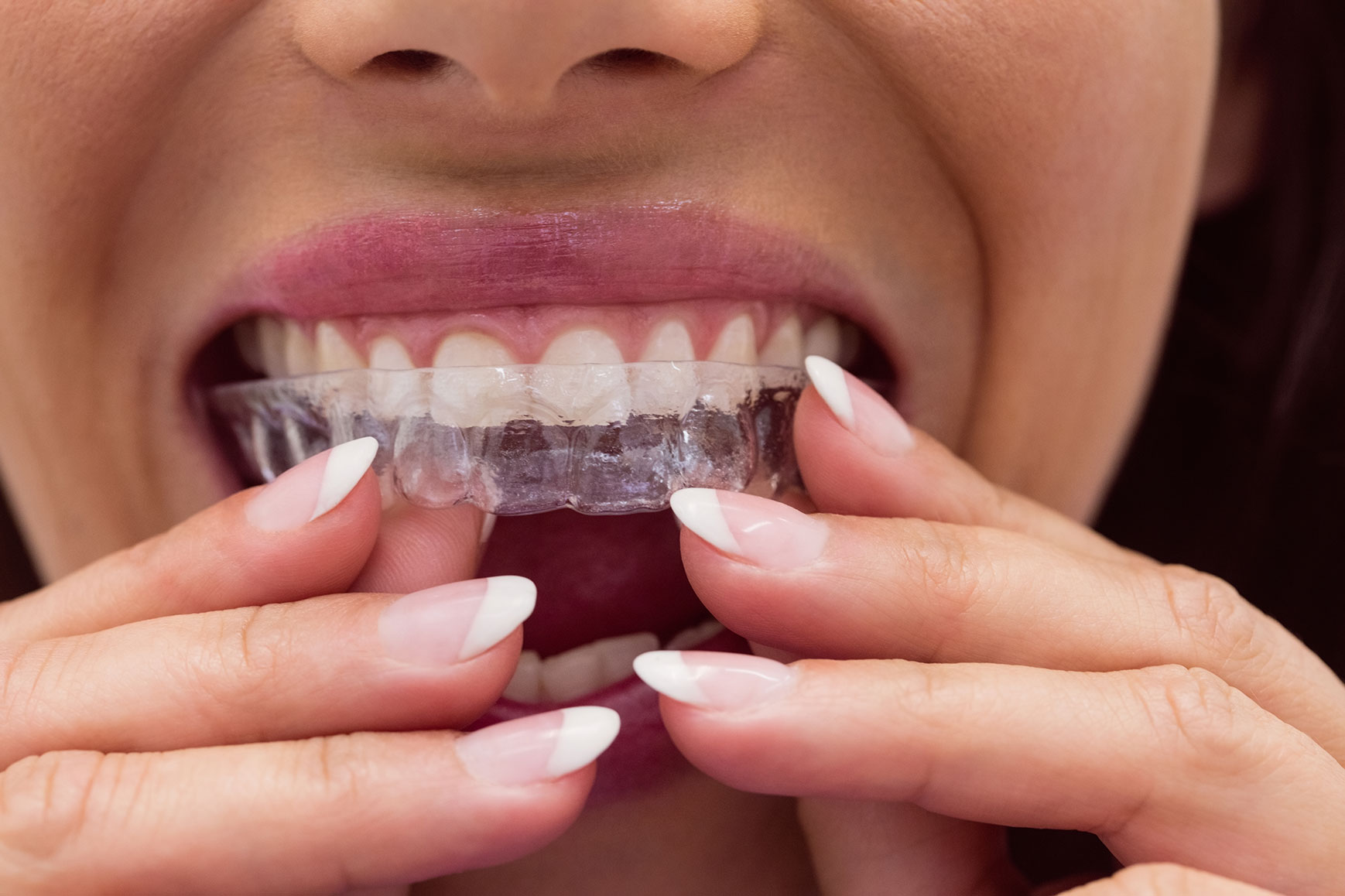
When wear is caused by bruxism, the use of a occlusal splint It can protect your teeth whilst you sleep.
Attend regular dental check-ups
Servicing enables signs of wear to be detected at an early stage and preventive measures to be taken before the problem gets worse.
Treatments for tooth wear
Treatment will depend on the extent of the wear and its cause. Some options include:
-
Protection using dental splints
-
Restorations to restore the shape of the tooth
-
Treatments to reduce sensitivity
-
Dental restoration in more advanced cases
A personalised diagnosis enables us to choose the best option in each case.
The importance of detecting tooth wear at an early stage
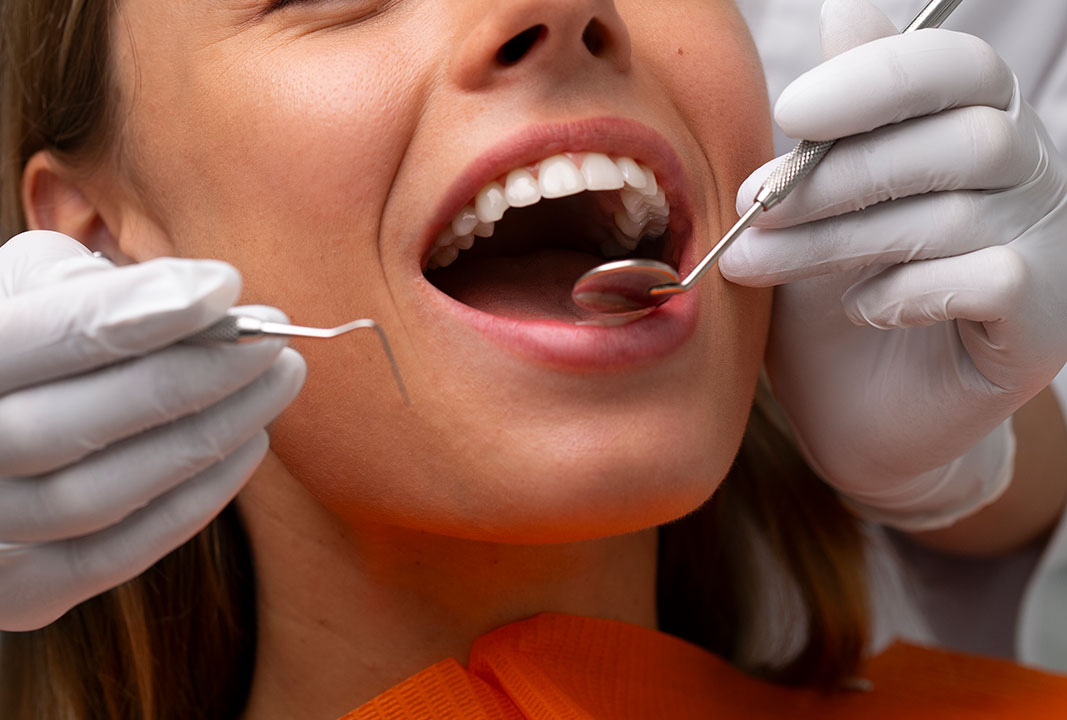
Detecting tooth wear at an early stage enables to protect your teeth and avoid more complex treatments in the future. That is why regular check-ups are an essential part of oral healthcare.
At Dentsana Clinic, we carry out a comprehensive assessment to identify any signs of tooth wear and recommend the most suitable solutions to maintain a healthy and functional smile in the long term.