




The digital dentistry is transforming the way in which numerous dental treatments are diagnosed, planned and carried out. By 2026, technologies such as the intraoral scanner, 3D diagnosis and digital planning They enable us to work with increasingly accurate information and offer patients a more comfortable and personalised experience.
At Dentsana Clinic We are committed to incorporating technology that brings real benefits to diagnosis and treatment. Because the advancement of dentistry is not simply about using more modern equipment, but about making the most of it to to gain a better understanding of each case, plan accurately and improve patient care.
What are the benefits of digital dentistry? Greater diagnostic accuracy, personalised treatment planning, more comfortable examinations and a better understanding of the treatment on the part of the patient.
What is digital dentistry?
The digital dentistry It encompasses the range of technologies that enable information about the patient’s mouth to be obtained, processed and utilised in digital format.
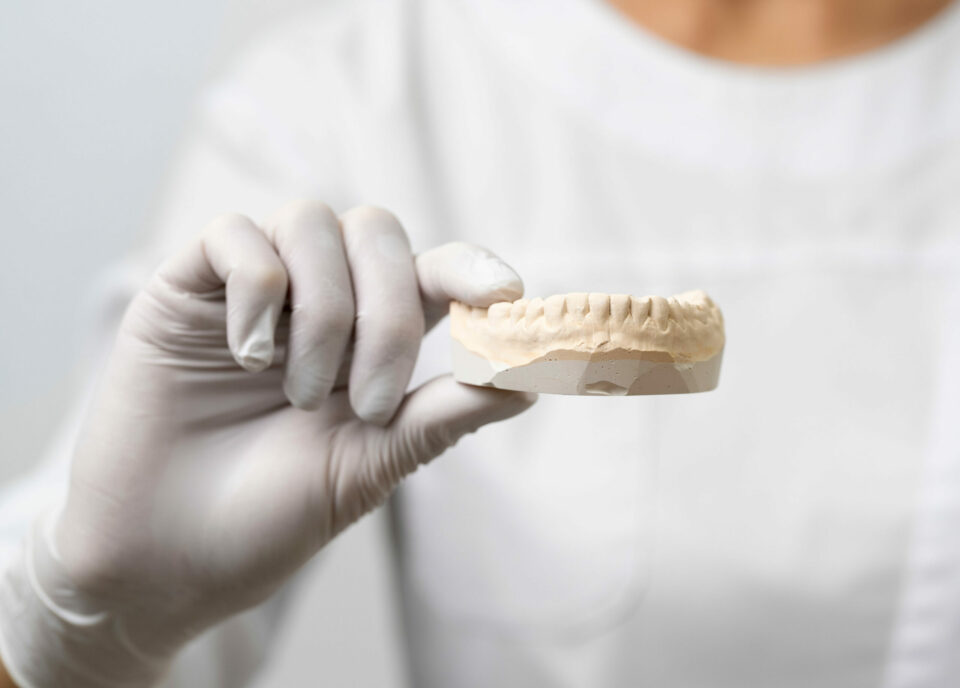
In contrast to traditional methods, which rely mainly on physical impressions, conventional X-rays and manual measurements, it is now possible to create highly detailed digital representations of the teeth, gums and other oral structures.
The main technologies currently in use include:
- Intraoral scanners.
- 3D diagnostic imaging.
- Digital radiology.
- Digital treatment planning.
- Digital design of prostheses and restorations.
- Artificial intelligence-based support tools.
The combination of these technologies provides dentists with invaluable information for assessing each case on an individual basis.
3D technology: a more comprehensive view of the mouth
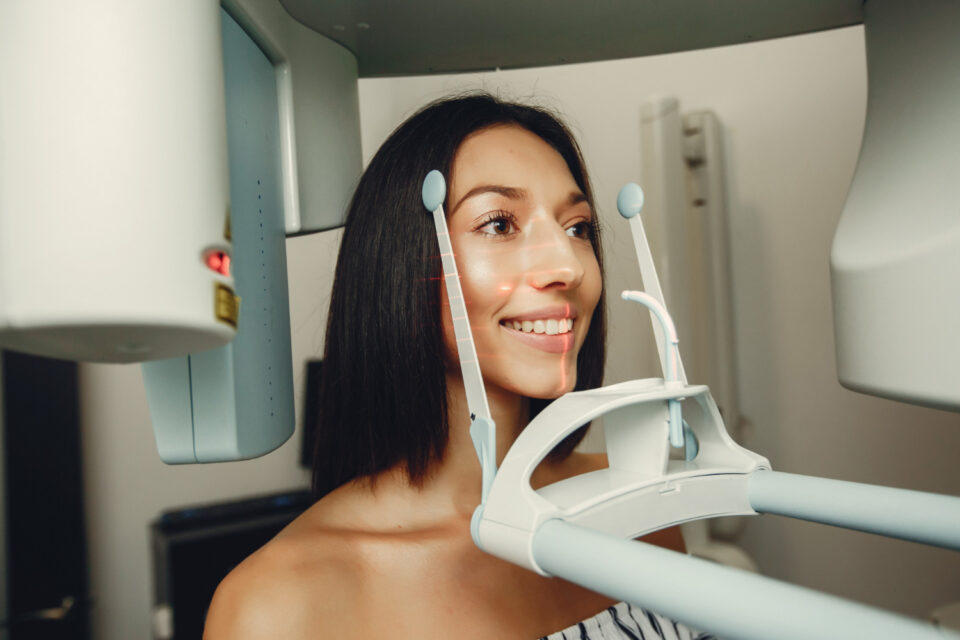
One of the major advances in modern dentistry is the ability to study certain oral structures in three dimensions.
3D technology provides particularly useful information in treatments where a precise understanding of the patient’s anatomy is essential.
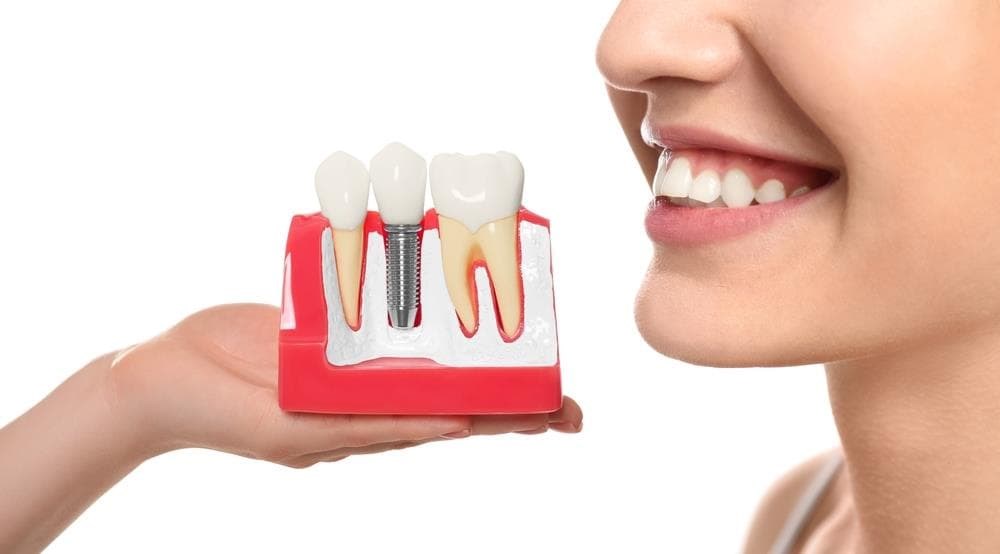
3D technology and dental implants
In implantology, for example, a three-dimensional scan can help the dentist to assess aspects such as:
- Amount of bone available.
- Anatomy of the area where the implant will be placed.
- Position of nearby structures.
- Guidance and planning for the future implant.
All this information makes it possible to carry out a much more detailed and personalised advance planning.
Intraoral scanner: from the mouth to a digital model
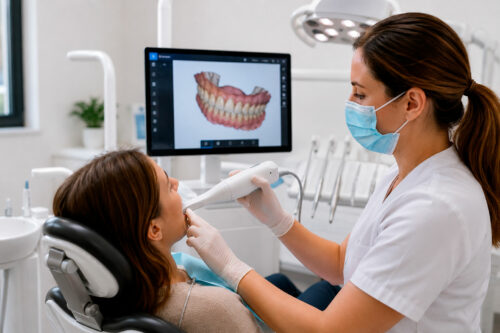
Another key player in digital dentistry is the 3D intraoral scanner.
Using a small device that is moved around inside the mouth, numerous images are captured, enabling the creation of a three-dimensional digital representation of the teeth and gums.
What are the benefits for the patient?
One of its main advantages is the comfort. In many procedures, it makes it possible to avoid or reduce the use of traditional impressions taken using trays and impression materials.
In addition:
- The digital model is produced quickly.
- It can be viewed directly on a screen.
- It allows you to enlarge specific areas of the mouth.
- It makes it easier to take accurate measurements.
- It can be used to monitor the patient’s progress.
- It facilitates communication between the various professionals involved in a course of treatment.
Patients can see their own mouths from angles that would be impossible to observe simply by looking in a mirror.
Digital planning: research before treatment
One of the great benefits of having accurate digital information is being able to to plan certain treatments before starting.
Digital planning is currently used in various areas of dentistry.
Implantology
Three-dimensional images enable the anatomy to be assessed in advance and the position of the implant to be evaluated, taking into account the specific characteristics of each patient.
Orthodontics
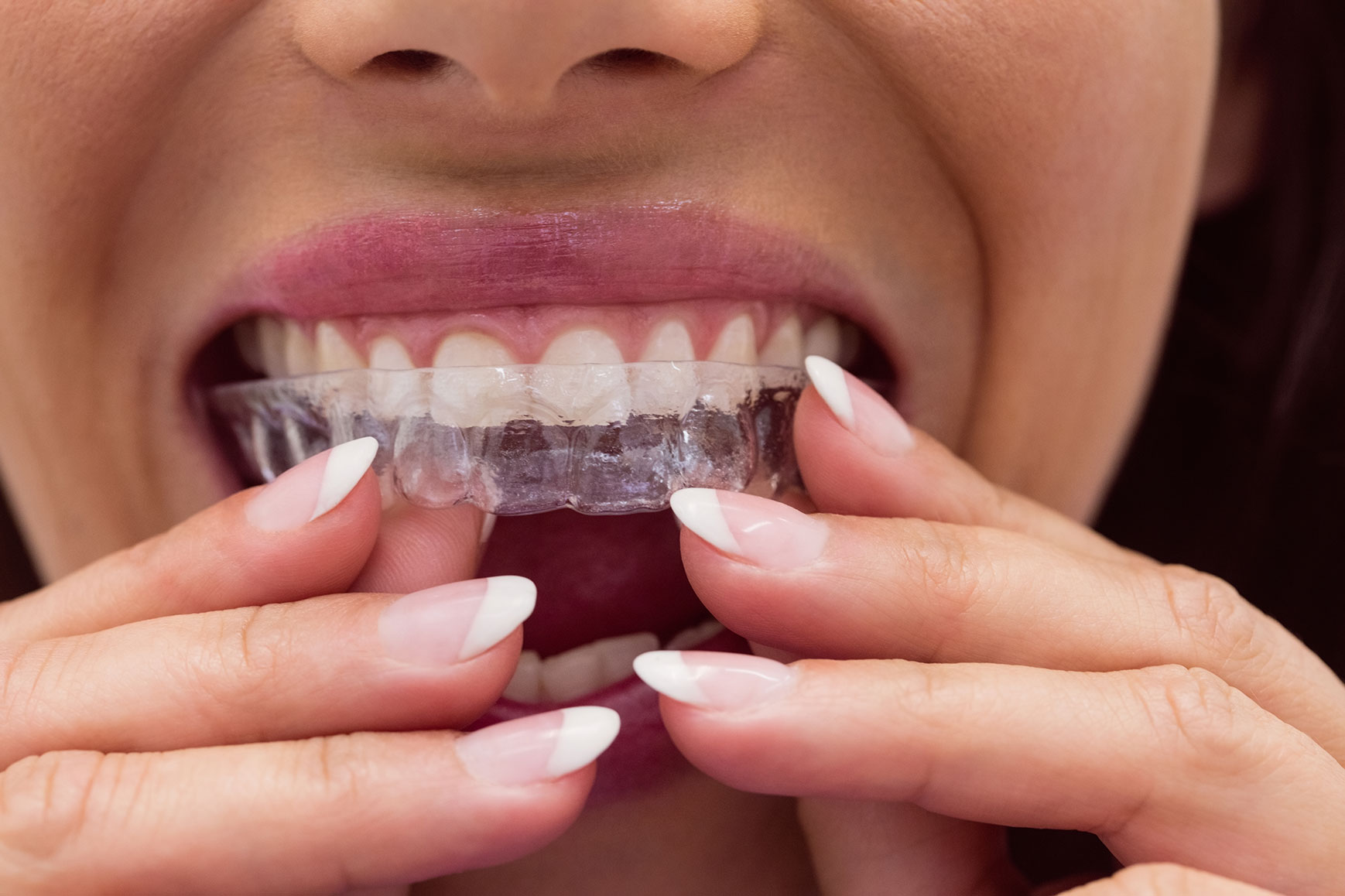
Digital scanning enables us to obtain an accurate model of the dentition and to analyse the movements required to gradually correct the position of the teeth.
In treatments with invisible orthodontics, this digital planning plays a particularly important role.
Dental Prosthetics and Rehabilitation
Digital models can be used to design crowns, dentures and various other restorations, ensuring a precise fit within the patient’s mouth.
Cosmetic dentistry
Digital technology also makes it easier to study proportions, shapes and various aspects relating to the smile prior to certain cosmetic treatments.
Increasingly personalised dental treatments
No two mouths are exactly the same.
The position of the teeth, the bite, the available bone, the gums and functional and aesthetic requirements can vary considerably from one patient to another.
Digital dentistry allows us to work on a an accurate picture of each person’s individual circumstances, making it easier to tailor the treatment to their specific circumstances.
This change is particularly significant because modern dentistry is moving towards treatments that are increasingly personalised and less reliant on standardised solutions.
Technology also helps patients understand their treatment
Digitalisation not only provides dentists with more information; it is also changing the way treatments are explained.
Viewing a three-dimensional image of one’s own mouth can make it much easier to understand certain problems.
The patient may:
- To examine specific areas of your mouth in detail.
- To gain a better understanding of where a problem lies.
- To visualise what the dentist is explaining.
- Understanding the different stages of a course of treatment.
This visual information helps to clearer communication between dentist and patient and enables patients to make decisions with a better understanding of the proposed treatment.
What role will artificial intelligence play in dentistry in 2026?
The artificial intelligence applied to dentistry It is one of the fields of technology that is evolving most rapidly.
At present, these tools can be used to assist in analysing specific clinical information, examining images or identifying patterns that must subsequently be assessed by a healthcare professional.
Its development opens up new possibilities for complementing technologies that are already part of digital dentistry.
Technology can provide information and assist with planning, but diagnosis and clinical decisions continue to depend on the dentist’s knowledge and experience.
Artificial intelligence should therefore be seen as a support tool rather than a substitute for professionals.
Technology and professional experience: the essential combination
Having an intraoral scanner, 3D imaging or advanced planning tools does not in itself guarantee a successful treatment.
Technology provides more and better information, but that information must be interpreted correctly.
The dentist’s expertise remains essential in determining:
- What tests does each patient actually need?
- How to interpret the results obtained.
- What treatment options are available?
- Which option is most suitable for each situation?
- How to monitor your treatment.
That is why the real evolution of dentistry lies in combining clinical expertise, diagnosis, technology and personalised care.
What benefits does digital dentistry offer patients?
Although the advantages depend on the treatment carried out, the use of digital tools can bring significant benefits.
Greater accuracy
It provides detailed information to help with the assessment and planning of specific treatments.
Greater comfort
The intraoral scanner can replace traditional impressions in many procedures.
Personalised planning
The information obtained makes it possible to tailor treatment to each patient’s individual characteristics.
Better communication
The patient can view images and digital models that help them understand the diagnosis.
Monitoring progress
Digital records can help us compare changes that have taken place over time.
Digital dentistry at Dentsana Clinic
At Dentsana Clinic We see technology as a tool to serve our patients.
The inclusion of 3D technology and digital tools It enables us to examine each case in greater detail, improve our planning and offer a more comfortable experience during various procedures.
Our aim is not to use technology simply because it is new, but to incorporate it when it genuinely adds value to the diagnosis, treatment accuracy and patient experience.
Dentistry will continue to evolve over the coming years, but one thing will remain essential: combining technological advances with professional expertise and a warm, personalised approach to patient care.
Frequently asked questions about digital dentistry
Is digital dentistry replacing the dentist?
No. Digital tools provide information and assist with planning, but diagnosis and decisions regarding treatment are always the responsibility of the healthcare professional.
What is an intraoral scanner?
It is a device that captures images of the inside of the mouth and enables the creation of a three-dimensional digital model of the teeth and gums.
What is 3D technology used for in dentistry?
It can be used in the diagnosis and planning of various treatments, particularly in fields such as implantology, orthodontics and oral rehabilitation.
Does digital technology make treatment more comfortable?
In certain procedures, yes. For example, an intraoral scanner can eliminate the need for traditional impressions and allows a digital model of the mouth to be produced quickly and conveniently.
Do all dental treatments require 3D technology?
No. Each patient and treatment requires different tests. It is the dentist who determines which diagnostic tools are necessary in each case.
The future of dentistry is already digital
The digital dentistry in 2026 It represents much more than just a technological advancement. It is enabling more comprehensive diagnoses, improving treatment planning and offering a more comfortable and understandable experience for the patient.
3D technology, intraoral scanners, digital planning and artificial intelligence will continue to evolve, but their true value will always lie in how professionals use them to improve patient care.
At Dentsana Clinic We remain committed to a form of dentistry that combines technology, precision and professional expertise, whilst always keeping the patient at the heart of every treatment.